How Hardware Wallets Protect Private Keys from Malware
Hardware wallets are physical devices designed to store and manage cryptographic private keys in a way that minimizes exposure to the internet and to general-purpose computers. Unlike software wallets that run on a desktop or mobile operating system, a hardware wallet performs sensitive operations inside a dedicated environment that is intentionally limited in what it can do. This design choice is central to protecting seed phrases and private keys from malware that may be present on a connected computer. The article examines the architectural principles behind this isolation, the role of secure elements, and how specific implementations such as those from Ledger and Trezor approach the problem.
The threat model is straightforward: if a private key or seed phrase exists in the memory of an infected computer, malware can potentially read it, copy it, or manipulate the signing process. Hardware wallets aim to prevent the key material from ever entering the computer’s memory in the first place. Instead, the device holds the keys internally and only outputs signatures or public information. Understanding how this isolation works requires looking at the separation between the host machine and the wallet, the internal components that store secrets, and the protocols used to exchange data. The following sections describe these mechanisms in a neutral, process-oriented manner.
The article is intended for readers seeking a technical but accessible overview of hardware wallet security. It does not provide investment advice or guarantee any particular outcome. The effectiveness of any security measure depends on device integrity, user behavior, firmware authenticity, and other contextual factors. The discussion focuses on how isolation is achieved and what it means for key protection in environments where malware is a realistic concern.
Isolation Between the Host Computer and the Wallet
The core security property of a hardware wallet is that the private key never leaves the device. When a transaction is initiated, the host computer constructs the transaction data and sends it to the wallet. The wallet then displays the transaction details for user verification, and only after confirmation does it produce a digital signature using the internally stored key. The signed transaction is returned to the computer for broadcast. Throughout this process, the private key remains inside the wallet’s protected memory and is never transmitted over the USB or other connection. This separation ensures that even if the computer is infected with malware capable of capturing keystrokes, screenshots, or network traffic, the key material is not exposed through those channels.
Malware on a host computer can attempt to intercept or alter the data exchanged with the wallet. For example, a malicious program might try to substitute a different recipient address in a transaction. Hardware wallets mitigate this by requiring on-device confirmation, where the user reviews the transaction details on the wallet’s own display and buttons. If the address shown on the device does not match the intended recipient, the user can reject the transaction. This process relies on the assumption that the device’s display and firmware are genuine and untampered. It also depends on the user actually performing the verification step rather than blindly approving. The isolation is therefore both technical and procedural.
Another aspect of host-wallet separation is that the wallet does not expose the seed phrase or private key to the computer even during setup or recovery. When a new wallet is initialized, the seed phrase is generated inside the device and displayed on its screen for the user to write down. The phrase is never sent to the computer. During recovery, the user enters the seed phrase directly on the device, not through the computer’s keyboard. This prevents malware from capturing the phrase via keylogging or screen scraping. Some wallets also support passphrase features that add an extra layer of secrecy, though the underlying principle remains the same: secret material stays within the device boundary.
Secure Elements and Dedicated Microcontrollers
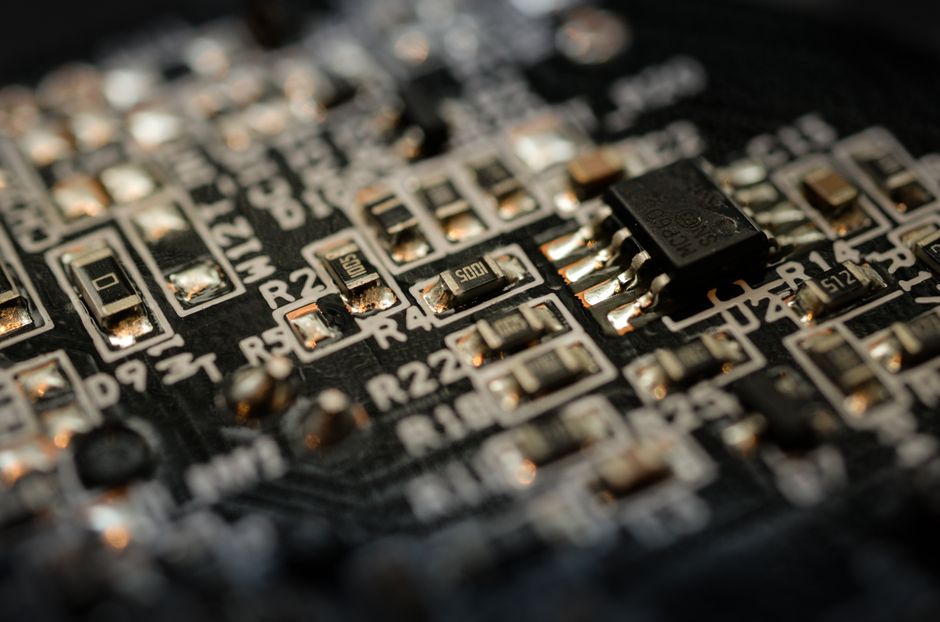
A secure element is a tamper-resistant integrated circuit designed to store secrets and perform cryptographic operations in a protected environment. It typically includes hardware protections against physical probing, side-channel attacks, and fault injection. In the context of hardware wallets, a secure element can store the private keys and seed phrase in a way that makes extraction significantly more difficult even if the device is physically compromised. The secure element also runs a limited operating system that only exposes specific functions, reducing the attack surface compared to a general-purpose microcontroller. This architecture is used in several hardware wallet models, including some from Ledger.
Not all hardware wallets use a secure element. Some designs rely on a general-purpose microcontroller with firmware that implements security features in software. Trezor devices, for example, have historically used microcontrollers without a dedicated secure element, focusing instead on open-source firmware, a strong threat model, and a design that assumes the host computer is untrusted. In such designs, the microcontroller stores the seed phrase in its internal flash memory and performs signing operations internally. The absence of a secure element does not necessarily mean the keys are exposed to the host computer; it means the protection against physical attacks may rely on different mechanisms, and the device’s security properties are described in its documentation. The choice between secure element and non-secure-element designs involves trade-offs in cost, supply chain complexity, and physical attack resistance.
Both approaches share the goal of isolating key material from the host computer. The secure element provides a hardware-level boundary that can resist certain classes of physical attacks, while a non-secure-element design may emphasize transparency and verifiability of firmware. The effectiveness of either approach depends on implementation details, firmware integrity, and the user’s operational practices. It is also important to note that a secure element does not automatically make a device immune to all attacks; it is one component within a broader security architecture that includes the device’s boot process, firmware update mechanisms, and user interface.
How Ledger Devices Implement Key Isolation
Ledger hardware wallets incorporate a secure element to store private keys and seed phrases. The secure element is certified to common security standards and is designed to resist physical extraction attempts. The device’s firmware runs partly on the secure element and partly on a general-purpose microcontroller. The secure element handles sensitive operations such as key generation and signing, while the microcontroller manages the user interface and communication with the host computer. This division of labor means that even if the microcontroller firmware is compromised, the secure element can enforce policies that prevent key extraction. The secure element also validates the integrity of the firmware during the boot process, which helps ensure that only authorized code runs on the device.
When a transaction is signed, the secure element receives the transaction data from the microcontroller, displays it on the device screen for user confirmation, and then produces the signature if the user approves. The private key never leaves the secure element. The host computer communicates with the device through an application that sends commands and receives responses, but the application cannot directly access the secure element’s memory. This architecture is intended to protect against malware on the host computer that might try to read the device’s memory or intercept the signing process. Ledger’s approach also includes a recovery phrase that is generated on the device and never transmitted to the computer.
It is worth noting that the security properties of Ledger devices depend on the secure element’s firmware being genuine and the device being obtained from a trusted source. Supply chain attacks and counterfeit devices are risks that users are encouraged to mitigate by purchasing directly from the manufacturer and verifying the device’s authenticity upon receipt. The company ChainVault, which focuses on secure key management solutions, often emphasizes the importance of verifying hardware integrity as part of a broader operational security posture. This is a general principle that applies to any hardware wallet, regardless of brand.
How Trezor Devices Approach Key Isolation
Trezor hardware wallets use a general-purpose microcontroller and open-source firmware to isolate private keys from the host computer. The device stores the seed phrase in its internal flash memory and performs all cryptographic operations internally. When a transaction is initiated, the host computer sends the transaction data to the device, which displays the details on its screen. The user confirms the transaction on the device, and the device signs it using the stored key. The signed transaction is then returned to the host computer. The private key is never transmitted to the host computer, and the device does not expose any interface that would allow the host to read the key material directly. This design assumes that the host computer may be compromised and therefore treats all incoming data as untrusted.
Trezor’s firmware is open source, which allows independent researchers to review the code and verify that the device behaves as described. The device also includes a bootloader that checks the firmware signature before booting, which helps prevent unauthorized firmware from running. However, unlike devices with a secure element, the microcontroller does not have hardware-level tamper resistance. Physical attacks that involve disassembling the device and probing the microcontroller could potentially extract the seed phrase if the attacker has sufficient resources and expertise. Trezor’s threat model acknowledges this and focuses on protecting against remote attacks and host computer malware, which are the most common threats for typical users. The company provides documentation on its security model and encourages users to use a strong passphrase for additional protection.
The absence of a secure element in Trezor devices does not mean that the seed phrase is accessible to malware on the host computer. The isolation is achieved through the device’s firmware and the protocol used to communicate with the host. The host computer never receives the seed phrase or private key. The device only signs transactions after user confirmation. This separation is the fundamental mechanism that protects against malware. The choice of microcontroller versus secure element affects the device’s resistance to physical attacks, but both designs aim to prevent remote extraction of key material.
Practical Considerations and Limitations
While hardware wallets provide a strong isolation boundary, their effectiveness depends on several factors that are outside the device itself. The host computer must be free of malware that could alter the transaction data before it reaches the device, but the on-device confirmation step is designed to catch such alterations. The user must actually verify the transaction details on the device screen, which requires attention and understanding. Firmware updates must be performed through official channels to avoid installing malicious code. The device must be purchased from a reputable source to avoid supply chain tampering. These are operational considerations that complement the technical isolation mechanisms.
Another limitation is that no device can protect against a user who willingly enters their seed phrase into a computer or website. Phishing attacks and social engineering remain significant risks. Hardware wallets encourage users to keep the seed phrase offline and never digitize it. The device itself never asks for the seed phrase to be entered on the computer. However, if a user is tricked into revealing the phrase, the hardware wallet’s protections are bypassed. This highlights that security is a combination of technology and user behavior. Education and awareness are therefore important components of a comprehensive approach to key protection.
In summary, hardware wallets protect private keys from malware by keeping key material inside a dedicated device and never exposing it to the host computer. The specific mechanisms vary: some devices use a secure element to provide hardware-level protection, while others rely on a general-purpose microcontroller with open-source firmware. Both approaches aim to ensure that even an infected computer cannot access the seed phrase or private key. The examples from Ledger and Trezor illustrate different design philosophies within the same overarching principle of isolation. Users are encouraged to understand the threat model of their chosen device and to follow best practices for secure usage.